Fashion Child: An Autumn Illustration for Embroidery Projects
As a designer who spends more time staring at stitch maps than most people spend watching television, I approach every new machine embroidery design with a mix of optimism and skepticism. We've all been there: a graphic looks stunning on the screen, but once it hits the fabric, the details vanish, or the density turns a soft sweatshirt into a cardboard shield. Today, I'm taking a close look at Fashion Child, an autumn-themed illustration that promises versatility across seasons and styles. This isn't just a quick glance; this is a breakdown of how this piece performs when you move from digital preview to tangible, stitched reality.
First Impressions: Mood and Visual Personality
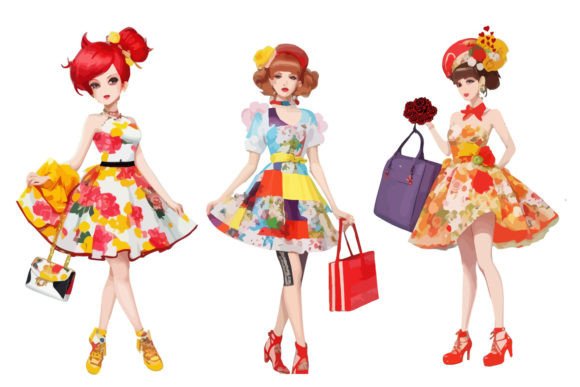
When I first loaded the Fashion Child file into my editing software, the immediate takeaway was its charming, seasonal warmth. The illustration captures that cozy "fall" aesthetic without relying on clichéd, overly busy patterns. It feels like a character study rather than a generic clip-art dump. For those of us creating handmade products, mood is everything. A customer doesn't just buy a shirt; they buy the feeling the design evokes. This graphic leans heavily into a boutique, storybook vibe that works exceptionally well for children's wear, nursery decor, or lifestyle accessories.
The layout appears balanced, suggesting a thoughtful distribution of stitch density. In my experience, illustrations in the Graphics and Illustrations categories often struggle with translation to thread because screens handle gradients better than needles do. However, Fashion Child seems to rely on clear shapes and defined edges, which is a good sign for stitching clarity. It suggests a design that will hold its integrity even on textured fabrics where fine details might otherwise get lost.
Real-World Application: The Tote Bag Test
To truly evaluate a design, you have to imagine it on a specific product. Let's say I'm preparing a custom order for a local boutique looking for unique tote bag designs for their autumn collection. Canvas is a forgiving medium, but it demands a design that can stand up to the weave of the fabric. Fashion Child fits this scenario perfectly. The illustrative style offers enough visual weight to pop against a natural or dyed canvas background.
Imagine stitching this onto a heavy-duty tote. The character's features would likely translate well using a combination of satin stitch for outlines and fill stitch for the broader color blocks. Because the theme is "Autumn Fashion," it naturally pairs with earth tones—burnt orange, mustard yellow, and deep browns. If I were producing these for an Etsy seller or a small shop product line, I'd recommend testing the design on a scrap piece of the exact canvas weight first. This ensures the stabilizer choice is correct; a cut-away stabilizer would likely be necessary here to prevent distortion over time, especially since tote bags endure significant stress.
Versatility Across Apparel and Decor
Beyond tote bags, the potential applications for Fashion Child are broad. For custom apparel, think about sweatshirt embroidery. Fleece and French terry can be tricky; too much density, and the fabric puckers. Too little, and the design looks sparse. Given the illustrative nature of this file, it should perform well on mid-weight garments if the digitizer has accounted for fabric pull. It would make a standout piece for baby embroidery projects, provided the scale is adjusted correctly for smaller hoops.
I also see strong potential for holiday embroidery. While the primary theme is autumn, the description hints at adaptability for Halloween and Christmas contexts. With a simple change of thread colors or by pairing it with complementary motifs like pumpkins or skulls (as mentioned in the broader collection capabilities), this design could anchor a whole series of seasonal goods. For personalized gifts, such as a pillow cover or a kitchen towel, the whimsical nature of the child character adds a touch of personality that mass-produced items lack.
Navigating Technical Challenges
However, no design is without its constraints. When working with Fashion Child, there are specific scenarios where caution is required. If you plan to stitch this on stretchy fabric like a thin cotton tee, you must be vigilant about registration. Detailed corners and small internal elements can easily become muddy if the fabric shifts during stitching. Similarly, if you are attempting this on a curved surface like a cap, ensure the hoop size accommodates the design without forcing excessive distortion.
Another consideration is thread colors. Illustrations often rely on subtle shading. In embroidery, we don't have infinite gradients. You need to check if the transition between color blocks is smooth or if it creates a "stair-step" effect that might look jagged in person. Testing the design in a black-and-white mockup is a pro tip I always use; it reveals contrast issues that color sometimes hides. If the light and dark areas blend too much, the finished product will lack definition.
Commercial Value and Brand Consistency
For craft business owners and creative entrepreneurs, the bottom line is whether a design enhances brand value. Fashion Child has the kind of distinct visual personality that builds recognition. Using consistent, high-quality design assets like this helps establish a cohesive look across your printable mockups and physical inventory. Customers trust professionalism, and a clean, well-stitched design signals that care went into the finished product.
If you are selling digital embroidery files or offering customization services, clarity on licensing is paramount. The description notes that designs can be used for various items, but always confirm the specific license terms before selling commercial quantities. Can you sell the stitched item? Can you sell the file itself? These are questions you must answer before listing on marketplaces. Assuming the license permits commercial use, this graphic is a strong candidate for expanding a product line into niche markets like retro-themed kids' wear or boutique nursery accessories.
Final Designer Notes for Execution
Before committing to a full production run with Fashion Child, here is my practical checklist:
- Test on Scrap: Always stitch a sample on the actual fabric you intend to use. Fabric texture changes how stitches sit.
- Check Density: Inspect the back of the sample. Is there excessive thread buildup? If so, consider reducing density in your software if the file allows edits.
- Stabilizer Strategy: Match the stabilizer to the fabric. Water-soluble for towels, cut-away for knits, and tear-away for stable wovens.
- Thread Contrast: Ensure your thread choices provide enough contrast against the garment color, especially for dark fabrics.
- Scale Appropriately: Verify that shrinking the design for small items like patches doesn't obliterate the fine details of the illustration.
In conclusion, Fashion Child represents a solid choice for designers looking to inject seasonal charm into their work. It bridges the gap between cute illustration and functional embroidery art. Whether you are decorating a single apron for a gift or rolling out a new line of commercial embroidery for a boutique, this design offers the flexibility and aesthetic appeal needed to create memorable, high-quality items. Just remember: the screen is the promise, but the stitch is the delivery. Test wisely, stitch carefully, and let the autumn vibes shine through in your next project.